
In partnership with

The Drink Everyone’s Reaching For This Spring 🍸✨

Spring doesn’t have to mean a packed schedule and another drink you regret tomorrow.
This season, I’m reaching for something different: Vesper by Pique.
Pique is known for blending ancient botanicals with modern science to create elevated wellness essentials. Vesper might be my favorite yet. It’s a non-alcoholic, adaptogenic aperitif that delivers the relaxed, social glow of a cocktail. Without alcohol or the next-day fog.
It’s what I pour when I want something special in my glass on a bright spring evening. Each sip feels celebratory and uplifting. Relaxed body. Clear mind. No haze. No sleep disruption.
Crafted with L-theanine, lemon balm, gentian root, damiana, and elderflower, Vesper is sparkling, tart, and beautifully herbaceous.
If you’re ready for a new kind of happy hour, try Vesper here. 🌿✨
In This Edition..
For centuries, religions around the world have embraced periods of fasting. To many people the practice feels like an act of spiritual emersion, discipline or devotion, but modern biology reveals that these rituals awaken a powerful inbuilt agents within us hat create the exotic feeling our ancient spiritual leaders understood.
In 2016 the Nobel Committee awarded Yoshinori Ohsumi the Prize in Physiology or Medicine for his discoveries of autophagy – a cellular mechanisms that allows cells to destroy worn‑out components and rebuild themselves. This groundbreaking science bridges ancient wisdom with the fundamental mechanisms that keep our bodies youthful and adaptable.
It also connects to two other Nobel‑winning insights: gene regulation via epigenetics (Nobel Prize 2012), and our circadian clock, the latter also winning a Nobel in 2017. By a broader view, weaving these discoveries together we can understand why intentional lifestyle changes can reverse early chronic diseases and even lead to diabetes remission.
Table of Contents
The Autophagy Revolution
Autophagy literally means “self‑eating,” but the term is misleading. Rather than destroying the cell, autophagy dismantles damaged organelles and misfolded proteins and recycles their components to generate energy and raw materials. Ohsumi’s experiments with yeast showed that under stress – such as starvation or infection – autophagy activates to adapt metabolism for survival.
This process is ongoing even in fed conditions; it is the house‑keeping function that prevents the accumulation of cellular garbage. Without it, cells become dysfunctional and the organism is prone to neurodegeneration, inflammation and metabolic disorders.
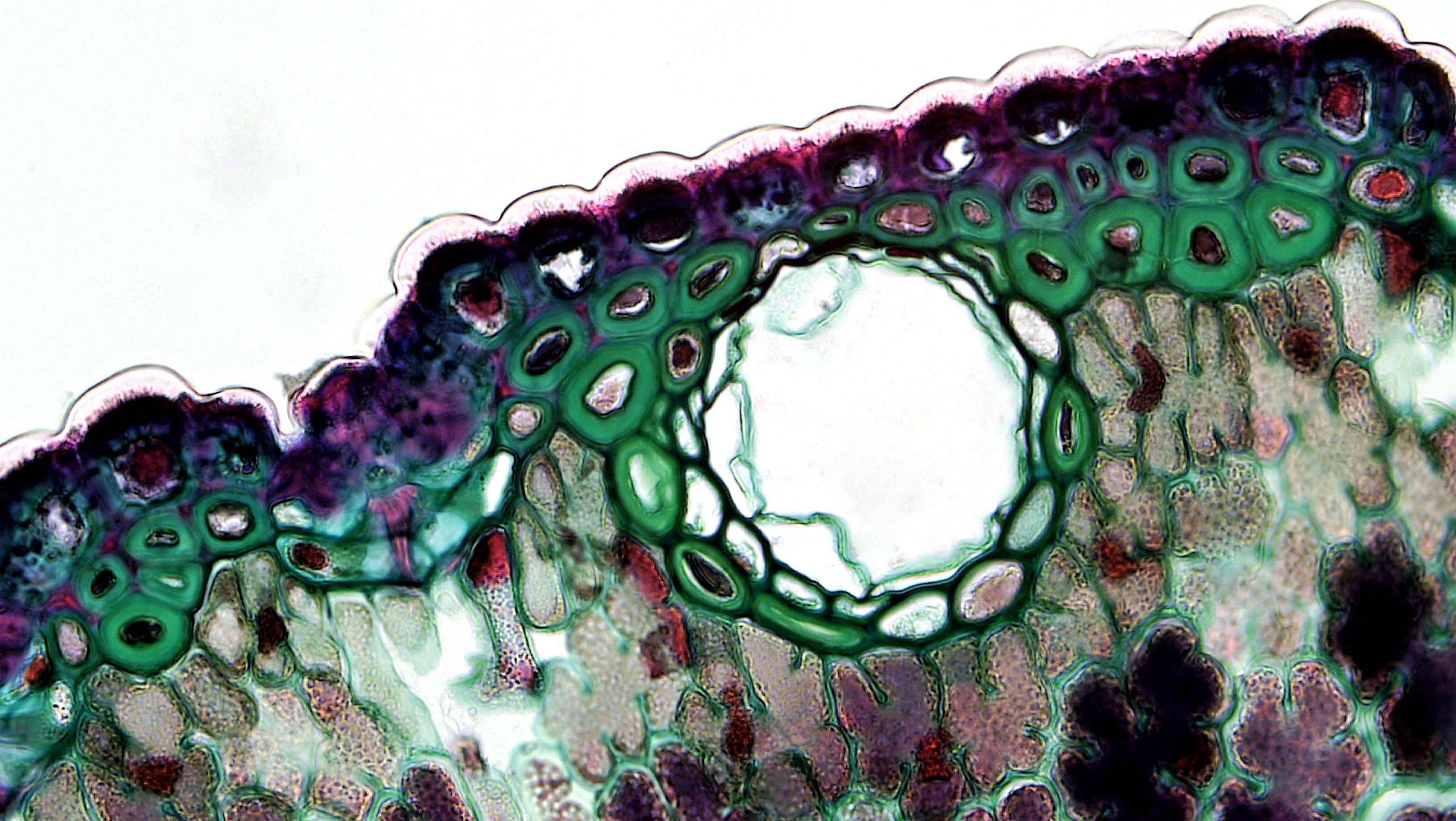
Ancient fasting practices unknowingly tapped into autophagy. Research suggests that fasting for 12–24 hours triggers autophagic recycling, leading to improved blood sugar control, reduced inflammation and enhanced brain function. Exercise, sleep and certain plant compounds such as spermidine can also upregulate autophagy.
On the flip side, chronic overnutrition and high‑fat/high‑sugar diets suppress autophagy while insulin signaling inhibits it, whereas glucagon activates it. The result is insulin resistance and beta‑cell stress, linking autophagy directly to metabolic diseases like type 2 diabetes.
How Autophagy Works
In the diagram above a damaged mitochondrion is sequestered by a double‑membrane sac called the autophagosome. This vesicle fuses with a lysosome to form an autolysosome where enzymes break down the contents. The resulting amino acids, fatty acids and sugars re‑enter metabolic pathways to fuel repair and growth. By understanding this cycle, we can appreciate why periods of fasting or targeted stressors can revitalize cells and why misperceptions about autophagy being purely starvation‑driven are incorrect.
Did You Know?
Autophagy begins earlier than many think. Studies in animals suggest autophagy can start after about 12 hours of fasting, not strictly 48 hours.
Exercise is a fasting mimetic. Moderate aerobic exercise stimulates autophagy in muscles and the brain, offering benefits without prolonged fasting.
Beta‑cell protection. Autophagy safeguards pancreatic β‑cells from oxidative stress and endoplasmic‑reticulum overload, but excessive activation can trigger cell death.
Myths And Truths About Autophagy
Because autophagy gained popularity through fasting narative in social media following Covid-19, many people believe it only happens when we do not eat. In reality, cells continuously engage in basal autophagy for quality control.
You must have heard the saying, there is always a flip side to everything. Right?. It is true because we mostly think autophagy is always beneficial. While modest autophagy protects cells, excessive autophagic activity can lead to cell death and may even help tumors survive under stress.
Another misconception is that fasting is the sole way to induce autophagy; however, exercise, sleep and certain natural compounds also act as triggers. Separating myth from fact is essential because the goal is to harness autophagy judiciously, using moderate fasting windows, regular exercise and sleep hygiene, rather than extreme deprivation that might harm hormone balance or promote eating disorders.
ALL IN ONE HEALTH PLATFORM
Ready to stop piecing your health together from random tips?
Explore our all-in-one courses and digital tools—built to bring your Mouth, Muscle, and Mind into one simple platform, so you can take the next step toward a healthier, more balanced life.

Epigenetics: Staying on Top of Genes
While autophagy deals with hardware maintenance, epigenetics tunes the software of life. Epigenetic regulators control how tightly DNA is packaged and whether genes are switched on or off.
Environmental factors such as diet, intentional physical activity, stress and toxins modify these chemical on and off signals without changing the underlying genetic code. The 2006 Nobel Prize recognized the science of RNA interference – a mechanism where double‑stranded RNA can silence genes,, showing that gene activity is dynamic and responsive to external stimuli.
Epigenetic modifications influence pancreatic β‑cell development and insulin secretion. DNA methylation of gene promoters can suppress or enhance gene expression. In pancreatic cells, high glucose levels alter the DNA methylome and affect pathways involved in insulin secretion and stress responses.
Studies have identified methylation changes in individuals progressing from normal glucose tolerance to prediabetes and diabetes, suggesting that monitoring epigenetic markers could predict disease onset years in advance. Moreover, drugs like the SGLT2 inhibitor dapagliflozin modify DNA methylation patterns in islet cells, indicating that targeted treatments can reset epigenetic states.
These findings hint at why lifestyle interventions—diet, stress reduction and exercise—can re‑program gene expression and assist in diabetes remission.

Circadian Rhythm: The Science that Connects Biology
Our bodies are not static but operate on a 24‑hour cycle regulated by molecular clocks. The 2017 Nobel Prize honored Jeff Hall, Michael Rosbash and Michael Young for revealing how genes like period produce a protein (PER) that accumulates at night and degrades during the day.
This rhythm coordinates hormone release, sleep, metabolism and temperature. When the internal clock is misaligned with lifestyle—think late‑night eating and irregular sleep—risk for metabolic diseases increases.
Recent research shows that autophagy is also rhythmic. In mice, autophagy cycles with the day–night schedule, peaking during rest when cellular repair is paramount. Metabolic genes are temporally regulated by clock proteins, and nuclear hormone receptors integrate signals from nutrient status, the circadian clock and epigenetic modifiers.
Disruption of circadian rhythms reduces insulin sensitivity and predisposes individuals to obesity and diabetes. Aligning meal timing and sleep with the natural clock therefore enhances autophagy and gene regulation.
Quiz You Enjoy
Which process recycles damaged cellular components to provide energy and raw materials?
True or False: Fasting is the only way to induce autophagy.
What did the 2017 Nobel Prize reveal about the circadian rhythm?
How do epigenetic modifications relate to diabetes?
What lifestyle change is strongly associated with diabetes remission?
Interplay of Autophagy, Epigenetics & Circadian Rhythm
The illustration above depicts how epigenetic marks (DNA methylation and histone modification) influence the expression of autophagy‑related genes; how clock genes like PER and CLOCK regulate when autophagy occurs; and how nutrient sensors signal to both epigenetic enzymes and clock proteins. This web explains why adopting consistent daily rhythms, nutrient timing and stress‑modulating practices can optimize cellular renewal.
A Timeline of Nobel Discoveries
Year | Nobel Discovery | Key Insight |
|---|---|---|
2006 | RNA interference | Double‑stranded RNA molecules can silence specific genes, revealing a powerful mechanism for regulating gene expression. |
2016 | Autophagy | Cells recycle their own components through autophagosomes and lysosomes, essential for adaptation to starvation and disease prevention. |
2017 | Circadian rhythm | Clock genes produce proteins that oscillate over 24 hours, orchestrating physiological processes and influencing metabolism. |
Autophagy & Diabetes Remission: Why Lifestyle Matters
Type 2 diabetes was once thought to be an inevitable progression, but remission is possible. Evidence shows that significant weight loss (roughly 10 % or more) early after diagnosis can lead to remission for many individuals.
Trials like DiRECT and DIADEM‑I demonstrate that targeted lifestyle interventions—restricted calories, low‑carbohydrate diets and increased physical activity—achieve remission rates of 46–55 %. These approaches also reduce the need for medications and lower cardiovascular risk.
Autophagy plays a key role because fasting and caloric restriction activate recycling pathways, improve insulin sensitivity and reduce fat in the liver and pancreas. At the same time, epigenetic changes in pancreatic cells can be reversed through such interventions.
Remission is rare without targeted intervention – only about 1.6 % of people experience spontaneous remission. Achieving it requires early management of blood glucose, consistent lifestyle change and alignment with circadian rhythms.
Eating within a 14‑hour daylight window, prioritizing sleep and engaging in daily movement supports the natural peaks of autophagy. By leveraging the synergy between autophagy, epigenetic re‑programming and the circadian clock, individuals can redesign their health within their unique socio‑economic realities.
Titbits
Epigenetic memory. Methylation patterns can be passed to offspring, as seen after the Dutch hunger winter; this shows why maternal nutrition influences children’s health.
Circadian misalignment harms metabolism. Shift work or late‑night snacking disrupts the internal clock and has been linked to obesity and insulin resistance.
From Dr Obinna’s Desk..
Science has caught up with ancient rituals. Autophagy, the built‑in recycling program that earned a Nobel in 2016, helps explain why fasting has been revered across cultures. Epigenetics shows us that our lifestyle choices write notes in the margins of our genetic code, influencing how our genes play their tune.
The circadian clock reminds us that timing is everything; aligning our habits with daylight and darkness can magnify the benefits of autophagy. Together these Nobel‑recognized discoveries reveal a hopeful message: chronic diseases are not predestined, and remission is possible through thoughtful, evidence‑based lifestyle redesign.
At Triad Longevity Academy we are committed to translating these complex sciences into actionable habits. Whether you are managing diabetes or simply seeking to age vibrantly, consider experimenting with time‑restricted eating, daily movement and stress management.
Share this newsletter with someone curious about the science of self‑renewal, and join us next week as we explore practical strategies to harness autophagy for brain health.
Quiz Answers
Answer: Autophagy – it sequesters worn‑out organelles in autophagosomes that fuse with lysosomes for degradation.
Answer: False. Autophagy occurs continuously and can be stimulated by exercise, sleep and compounds like spermidine.
Answer: It uncovered the molecular clock where genes produce proteins that oscillate over a 24‑hour period, coordinating physiology and metabolism.
Answer: DNA methylation influences pancreatic β‑cell development and insulin secretion; high glucose levels alter methylation profiles, and monitoring these changes can predict diabetes progression.
Answer: Significant early weight loss (around 10 % of body weight) through calorie restriction and increased physical activity has been linked to remission rates of up to 55 %.